Understanding Business IT Support
In an increasingly digital world, effective IT support has become a cornerstone of business operations. For organizations of all sizes, having reliable business IT support is essential not only for maintaining productivity but also for ensuring the security and integrity of sensitive data. With the rapid evolution of technology, businesses are faced with the challenge of managing their IT infrastructure efficiently while aligning with their strategic goals.
What is Business IT Support?
Business IT support encompasses various services designed to assist organizations in managing their information technology infrastructure. This includes everything from basic helpdesk assistance to comprehensive management of IT systems. IT support can be provided in-house, but many businesses opt for external providers to leverage their expertise and resources effectively. Key components typically include hardware and software installation, maintenance, and troubleshooting, along with proactive monitoring to prevent disruptions.
Importance of Proactive IT Monitoring
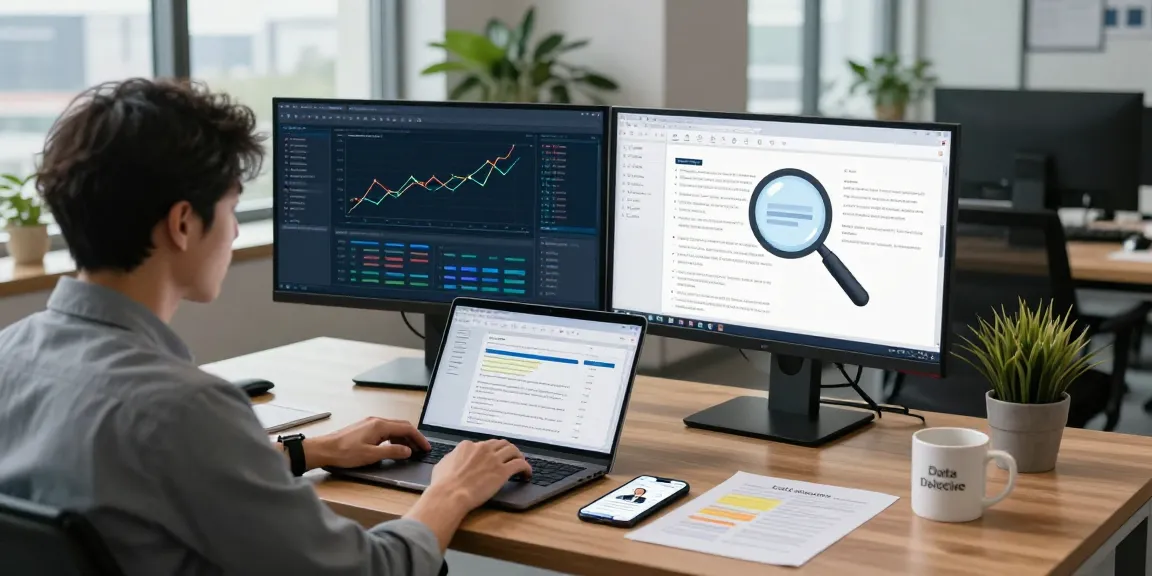
Proactive monitoring is crucial in today’s business landscape, where downtime can result in significant losses. With intelligent monitoring systems, IT support teams can identify potential issues before they escalate into serious problems. This approach not only minimizes the risk of operational disruptions but also enhances overall efficiency by ensuring that systems are running optimally. Companies utilizing proactive IT monitoring can focus more on their core activities rather than constantly managing IT crises.
Key Components of a Successful IT Support Strategy
- Helpdesk Support: A reliable helpdesk is essential for addressing immediate IT issues and providing timely solutions.
- Infrastructure Management: Comprehensive management of servers, networks, and devices ensures all components work seamlessly together.
- Security Measures: Dedicated cybersecurity strategies are necessary to protect sensitive data from potential threats.
- Regular Updates: Keeping software and systems updated is critical in combating new vulnerabilities and improving functionality.
Choosing the Right IT Support Package
Finding the right IT support package can seem daunting due to the variety of options available. However, understanding your specific business needs can simplify the decision-making process. Organizations should evaluate potential providers based on their offered services, pricing structures, and how well they align with the company’s operational goals.
Essential IT Support vs. Managed IT Services
Essential IT support typically provides basic services aimed at helping organizations troubleshoot and resolve issues as they arise. In contrast, managed IT services offer a more comprehensive solution, including ongoing monitoring, maintenance, and strategic IT planning. Choosing between the two largely depends on the size of your organization and the complexity of your IT needs. Smaller businesses with less complex requirements might find essential IT support sufficient, while growing companies often benefit from the holistic approach that managed services provide.
How to Evaluate IT Support Providers
When evaluating IT support providers, consider the following factors:
- Experience: Look for providers with a proven track record in your industry.
- Service Level Agreements (SLAs): Clear SLAs ensure accountability and define expected response times for different types of issues.
- Customer Reviews: Researching past client experiences can provide insights into the reliability and effectiveness of the provider.
- Technical Expertise: Ensure the team has relevant certifications and a deep understanding of the technologies critical to your operations.
Cost Considerations and Budgeting for IT Support
Budgeting for IT support can vary significantly based on the services required and the scale of support needed. For small businesses, basic packages may start at a low monthly rate, while more comprehensive managed services can be considerably more expensive. It’s essential to assess not only the costs but also the long-term benefits and potential savings from avoiding downtime and other IT-related disruptions.
Implementing Proactive Device Management
Proactive device management is essential for maintaining a fluid and secure operating environment. This involves continuously monitoring and managing all devices connected to the organization’s network to ensure they operate effectively without issues.
Strategies for Automated Patch Management
Automated patch management systems can significantly reduce the risk associated with outdated software and vulnerabilities. These systems automatically deploy updates and patches across all devices, ensuring that the latest security measures are always in place. By automating this process, businesses can focus on strategic growth rather than mundane IT maintenance tasks.
Benefits of Mobile Device Management for SMEs
For small and medium enterprises (SMEs), implementing a mobile device management (MDM) solution can streamline the management of smartphones, tablets, and laptops. MDM allows for the enforcement of security policies, remote wiping of lost or stolen devices, and oversight of application usage, ensuring company data remains secure even when staff work remotely.
Real-Time Monitoring and Issue Resolution Techniques
Real-time monitoring tools provide IT support teams with the capability to oversee network and system performance actively. These tools alert technicians to any irregularities that may indicate potential issues, allowing for swift resolution. This immediate response capability not only preserves productivity but also enhances employee satisfaction, as tech-related frustrations are addressed promptly.
Enhancing Cybersecurity with IT Support
As cyber threats continue to evolve, integrating robust cybersecurity measures into your IT support strategy is vital. Companies must stay ahead of potential risks through continuous education and proactive security protocols.
Integrating Cyber Essentials into IT Contracts
Cyber Essentials and Cyber Essentials Plus are government-backed schemes designed to help organizations safeguard against cyber threats. Incorporating these frameworks into IT contracts not only ensures compliance but also builds trust with clients by demonstrating a commitment to cybersecurity.
Best Practices for IT Security in 2026
As we move deeper into 2026, organizations must adopt various best practices to enhance their IT security posture:
- Continuous Training: Regular training sessions for employees on the latest cybersecurity threats and best practices.
- Data Encryption: Encrypting sensitive data both in transit and at rest to protect it from unauthorized access.
- Incident Response Plans: Developing and rehearsing incident response plans to ensure preparedness in the event of a breach.
- Regular Security Audits: Conducting frequent audits of your security measures to identify potential weaknesses and areas for improvement.
Responding to Cyber Threats: A Quick Guide
When responding to a cyber threat, a structured approach is crucial. First, isolate affected systems to prevent further damage. Next, assess the extent of the breach and notify relevant stakeholders, including law enforcement if necessary. Finally, analyze the breach to understand its cause and implement measures to prevent similar incidents in the future.
Future Trends in Business IT Support
As technology evolves, so too will the landscape of business IT support. Staying abreast of these trends can position your organization for success in the coming years.
Emerging Technologies and Their Impact on IT Support
Emerging technologies like artificial intelligence (AI) and machine learning are poised to revolutionize IT support. These technologies can analyze vast amounts of data to predict issues before they arise, making proactive maintenance and support more effective.
The Rise of AI in Proactive IT Services
AI-driven IT support tools can enhance service delivery by automating routine tasks and providing insights into system performance trends. This automation allows IT teams to focus on strategic initiatives while ensuring that day-to-day operations are seamlessly supported.
Preparing for Changes in IT Regulations and Standards
As regulations evolve, businesses must stay compliant with new standards regarding data protection, cybersecurity, and IT governance. Proactive IT support helps companies navigate these changes effectively, ensuring that they remain compliant while minimizing risk.
Addressing Common Questions About IT Support
Many businesses may wonder about the tangible benefits of engaging an IT support service. Effective IT support enhances productivity by reducing downtime, ensuring employees can focus on their core tasks rather than troubleshooting technical issues. Additionally, proactive IT support providers can help mitigate risks related to cybersecurity, ultimately protecting the organization’s reputation and bottom line.
Choosing the right IT support can significantly impact a business's operational efficacy and growth trajectory. By understanding the nuances of IT support services and leveraging them effectively, businesses can ensure they are well-equipped to handle the demands of the modern digital landscape.