
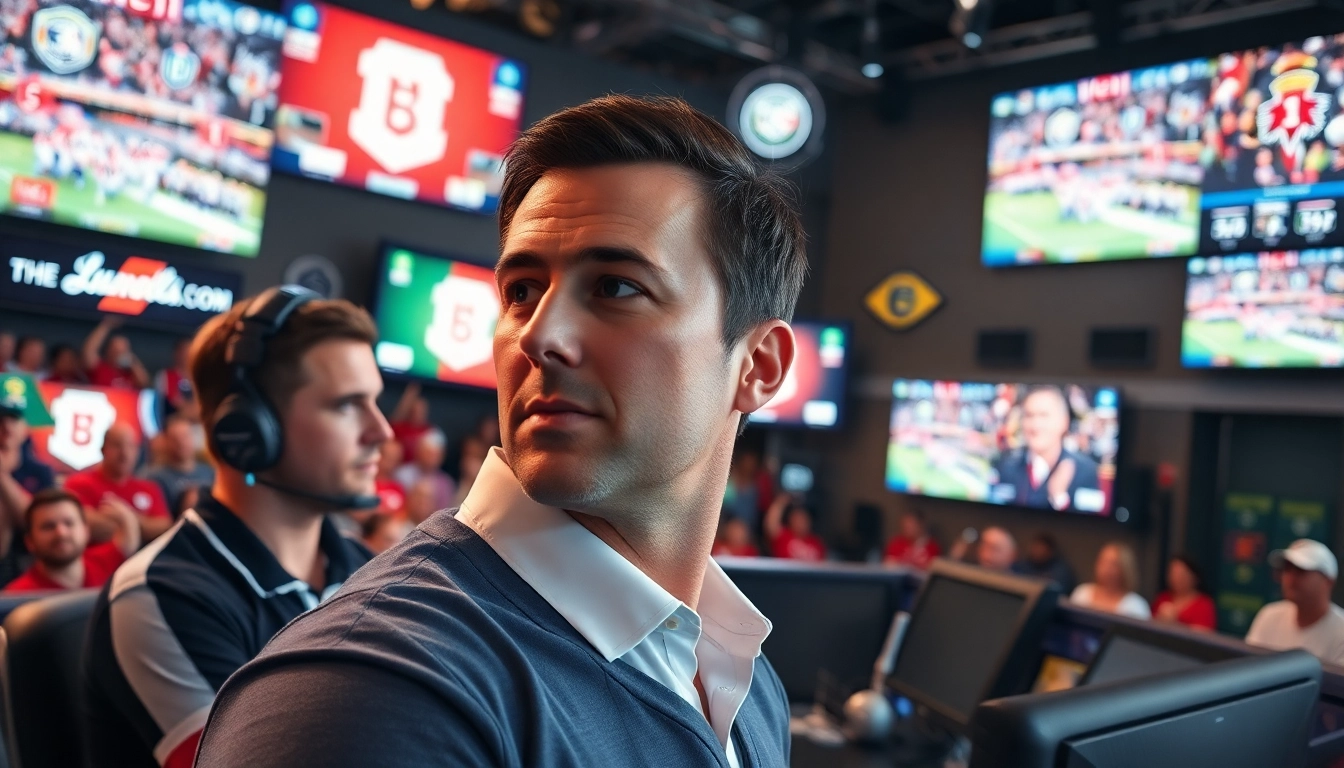
Understanding the Fundamentals of Sports Broadcasting
What is Sports Broadcasting?
Sports broadcasting refers to the live coverage and reporting of sporting events over various media platforms, including television, radio, and digital channels. This multifaceted discipline combines elements of journalism, entertainment, and technology to deliver real-time updates and in-depth analyses to viewers or listeners. The industry has evolved dramatically over the years, becoming a vital part of sports culture and encompassing everything from play-by-play commentary to post-game analysis. The essence of Sports Broadcasting lies in its ability to engage audiences, create narratives around events, and enhance the overall spectator experience.
Key Roles and Responsibilities
In sports broadcasting, a variety of roles contribute to the smooth operation and content delivery of sporting events. Key positions include:
- Play-by-Play Commentator: Provides real-time updates and descriptions of the action occurring in a game, maintaining audience engagement.
- Color Analyst: Offers expert insights and commentary on the game, showcasing personal experiences and deep knowledge of the sport.
- Producer: Manages the broadcast logistics, scheduling, and ensures that all technical elements function seamlessly.
- Cameraperson: Captures visuals from various angles to enhance storytelling and improve viewer experience.
- Reporter: Conducts interviews and provides updates outside of the event, often covering team developments and player stories.
Each of these roles plays a crucial part in shaping the quality and effectiveness of a sports broadcast, ensuring that audiences receive a comprehensive view of the event.
The Impact of Technology
Technological advancements have revolutionized sports broadcasting. High-definition and 4K television, digital streaming platforms, and social media have transformed the way fans consume sports. Innovations like real-time analytics, augmented reality graphics, and dynamic camera angles provide viewers with richer, more immersive experiences.
Moreover, mobile applications enable fans to watch events live from anywhere, enhancing accessibility. This integration of technology not only captivates audiences but also offers broadcasters powerful tools for greater audience engagement and revenue generation.
Essential Skills for Effective Sports Broadcasting
Communication Skills
Effective communication is paramount in sports broadcasting. Broadcasters must convey information clearly and swiftly, especially during fast-paced sports. Mastery of tone, pacing, and enunciation allows commentators to enhance the viewing experience. Good communicators also adapt their style to suit different audiences, whether speaking professionally during major broadcasts or more casually on social media platforms.
Analytical Thinking
Broadcasters often analyze strategies, player performance, and team dynamics on-the-fly. They must possess the ability to think critically, offer insightful commentary, and understand complex game situations. Developing analytical skills can involve studying game footage, researching stats, and becoming familiar with coaching strategies.
Understanding the Sports Landscape
A nuanced understanding of the sport and its history is essential for any broadcaster. This includes knowledge of rules, past performances, and the significance of rivalries. A well-informed broadcaster can create more compelling narratives, offering audiences context that enhances their engagement and appreciation of the game.
Best Practices in Sports Broadcasting
Preparing for Live Coverage
Preparation is key to successful sports broadcasting. This involves extensive research on teams, players, and potential storylines. Broadcasters should script key points while allowing flexibility for unforeseen developments during the event. Technical checks prior to live coverage ensure smooth operations, minimizing the risk of hiccups during broadcasts.
Engaging the Audience
Engagement strategies should focus on interaction. Encouraging audience participation through social media, taking calls, or hosting live Q&As can create a community around broadcasts. Understanding audience demographics helps tailor content to match viewers’ preferences, enhancing their overall experience.
Leveraging Social Media
Social media platforms are invaluable for modern sports broadcasters. They serve as channels for real-time updates, behind-the-scenes content, and highlights. Broadcasters can use these platforms to extend discussions beyond conventional broadcasts, thereby building a deeper connection with audiences and fostering loyalty.
Challenges in Sports Broadcasting
Adapting to Changing Formats
The shift from traditional television to streaming services has changed viewership habits. Sports broadcasters must adapt to these new formats and platforms, modifying their content while ensuring it remains engaging and accessible. Staying ahead of new technology and trends in viewer behavior is crucial for all broadcasting entities.
Handling Technical Issues
Technical difficulties can arise unexpectedly, disrupting broadcasts. Broadcasters must have contingency plans in place, ready to adapt if the equipment fails or internet connections go down. Comprehensive training and rehearsals can mitigate the impact of such issues, ensuring that disruptions do not severely affect viewer satisfaction.
Dealing with Audience Expectations
With growing competition and elevated expectations, sports broadcasters must continually innovate their delivery and coverage strategies. Fans expect more engaging, informative, and interactive experiences. Regular surveys and feedback mechanisms can help broadcasters understand audience preferences, allowing for continuous improvement.
Measuring Success in Sports Broadcasting
Performance Metrics and Analytics
Success in sports broadcasting can be measured through various performance metrics, including viewer numbers, engagement rates, and social media interactions. Advanced analytics tools provide data that help broadcasters understand audience behavior and tailor content accordingly. Tracking these metrics over time can inform strategic decisions and marketing efforts.
Building a Personal Brand
In a competitive industry, establishing a personal brand can set broadcasters apart. Building credibility and a unique voice through consistent quality performances, commentary style, and interactive engagement allows broadcasters to create a loyal following. Personal branding can enhance opportunities within the industry, opening doors for media appearances or partnerships.
Future Trends in Sports Broadcasting
The future of sports broadcasting appears dynamic, with trends focused on enhanced viewer experiences. Virtual reality, machine learning, and hyper-personalized content delivery are on the rise. These technologies promise to revolutionize how fans experience sports, offering custom-tailored broadcasts that align with individual preferences and viewing habits.
FAQs about Sports Broadcasting
What skills are essential for a sports broadcaster?
Key skills include effective communication, analytical thinking, and a deep understanding of sports. These help broadcast relevant content in an engaging manner.
How has technology impacted sports broadcasting?
Technology enhances viewer experiences through high-definition broadcasts, real-time analytics, and mobile streaming, making sports more accessible and engaging.
What are the biggest challenges faced in sports broadcasting?
Challenges include adapting to changing viewing formats, addressing technical issues during broadcasts, and meeting varying audience expectations.
How can social media be leveraged in sports broadcasting?
Social media serves as a platform for real-time updates, audience interaction, and personalized content, enhancing engagement beyond traditional broadcasts.
What metrics should be tracked for success in sports broadcasting?
Key metrics include viewer numbers, engagement rates, social media interactions, and audience retention, which helps gauge the effectiveness of broadcasts.