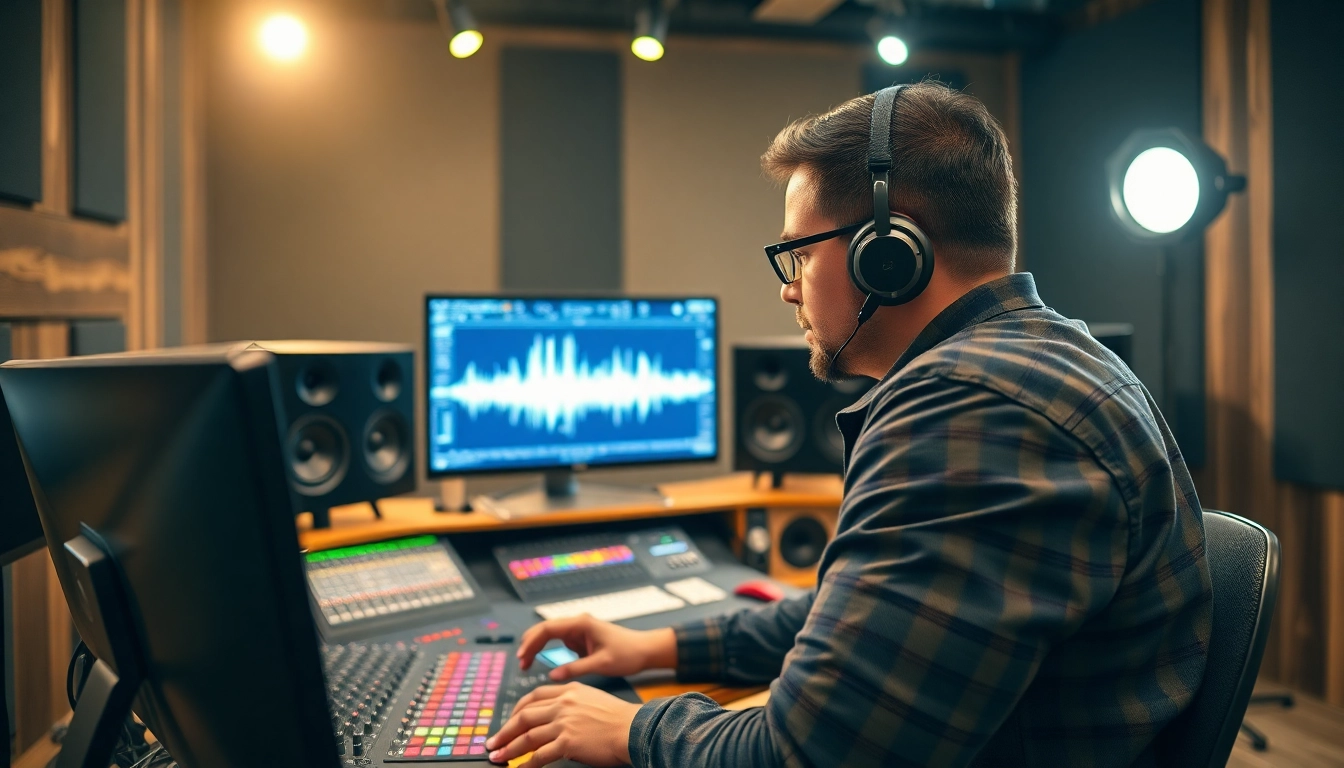
Understanding Online Audio Mastering
What is Online Audio Mastering?
Online audio mastering refers to the process of finalizing and optimizing audio tracks for distribution via online platforms, utilizing digital technology and cloud-based tools. Unlike traditional mastering, which relies on physical equipment and studio settings, online mastering allows musicians, producers, and audio engineers to prepare their music from any location with internet access. This process focuses on balancing sound levels, enhancing audio quality, and ensuring consistency across all playback devices. By opting for online audio mastering, artists can streamline their workflow while maintaining a professional edge.
History of Audio Mastering in the Digital Age
The evolution of audio mastering began in the early 20th century when the first recording technologies emerged. Traditionally, mastering involved physical media and analog equipment, requiring expert knowledge of studio gear and acoustics. The digital revolution in the late 20th century transformed the landscape, enabling sound engineers to use computerized software for editing, mixing, and mastering. Online audio mastering began to gain traction in the early 2000s, making high-quality mastering accessible to artists who previously might have struggled to afford studio time. This shift to digital has democratized the music industry, allowing independent creators to produce broadcast-ready tracks from their home studios.
Benefits of Online Audio Mastering Services
Online audio mastering comes with several advantages, enhancing both the workflow and the final output. Key benefits include:
- Cost-Effectiveness: Online services often prove to be less expensive than traditional studio mastering, making high-quality audio accessible for all budgets.
- Convenience: Musicians can submit tracks easily from anywhere, receiving feedback and revisions without the need for in-person visits.
- Speed: Many online mastering platforms deliver quick turnaround times, enabling artists to release their music more swiftly.
- Advanced Tools: Online mastering services are often powered by cutting-edge software and technology, ensuring optimal sound quality.
- Scalability: Artists can choose services that cater to their specific needs, from single tracks to entire albums.
How Online Audio Mastering Works
Key Processes in Online Audio Mastering
Understanding the processes involved in online audio mastering can help artists appreciate its significance. Key steps include:
- Receiving Tracks: Artists upload their mixed tracks in an online platform, which oftentimes provides specific file format guidelines.
- Analyzing Audio: The mastering engineer listens to the track critically, identifying areas needing enhancement or adjustment, including volume level balancing, EQ adjustments, and dynamics control.
- Applying Mastering Techniques: Engineers utilize various processing techniques like equalization, compression, limiting, and stereo imaging to enhance the overall sound.
- A/B Comparison: Mastering engineers will often compare the mastered track with reference tracks to ensure it meets industry standards.
- Finalization: Once approved, the audio file is finalized and prepared for distribution, ensuring compatibility with various formats and platforms.
Essential Tools for Mastering Tracks Online
The tools used in online audio mastering are pivotal in determining the quality of the final output. Some essential tools include:
- Digital Audio Workstations (DAWs): Applications like Pro Tools, Ableton Live, and Logic Pro allow for detailed audio editing and mastering functionalities.
- Plugins: Specialized plugins for EQ, compression, and other effects enhance sound quality, offering precise control over audio characteristics.
- Metering Tools: Proper metering ensures that mastering levels are appropriate and consistent, preventing issues like distortion during playback.
- Reference Tracks: High-quality reference tracks provide benchmarks, helping engineers to maintain industry standards.
The Role of Audio Engineers in Online Mastering
Mastering audio is a nuanced skill that requires a trained ear and technical knowledge. Audio engineers specializing in online mastering play a crucial role in this process. They are responsible for:
- Assessing Mix Quality: Understanding the nuances of various genres and styles, they analyze the artist’s initial track to determine its potential.
- Implementing Techniques: Skilled engineers apply a range of mastering techniques, transforming a good mix into a polished product.
- Collaborating with Artists: Communication is key; mastering engineers often collaborate closely with artists to understand their vision and ensure the final piece resonates with their intent.
- Quality Control: They meticulously audit the final products for issues like clipping, distortion, and imbalances that could affect playback on various platforms.
Choosing an Online Audio Mastering Service
Features to Look for in Mastering Services
When selecting an online audio mastering service, consider several key features that can impact the quality of your project:
- File Format Compatibility: Ensure the service accepts the audio formats you use for your tracks.
- Turnaround Times: Knowing how long the service takes to complete mastering can influence your project timeline.
- Technology and Tools: Investigate the specific software and hardware used by the mastering service to gauge their capability for producing high-quality audio.
- Sample Rates and Bit Depth: Look for services supporting high sample rates and bit depths to maintain audio fidelity throughout the mastering process.
- Sample Masters: Listen to previously mastered tracks to assess the quality of the service and ensure it aligns with your expectations.
Cost Considerations for Online Audio Mastering
Pricing for online audio mastering can vary widely, influenced by several factors, including:
- Service Complexity: More intricate projects may demand higher fees due to the additional time and effort required.
- Experience of Mastering Engineers: Seasoned engineers often charge higher rates based on their portfolio and expertise.
- Additional Services: Some platforms offer extra features like detailed feedback or revisions, which may incur extra costs.
Prioritize quality over the lowest price, as investing in professional mastering can significantly enhance your track's appeal.
Evaluating Service Providers: Tips and Best Practices
To find the right mastering service provider, consider these best practices:
- Research Reviews: Look for testimonials from other artists to gauge the service’s reputation.
- Request Samples: Ask for sample masters to evaluate the quality of their work against your expectations.
- Engage Directly: Communicate with potential engineers to discuss your project and gauge their understanding of your needs.
- Check for Guarantees: Some services offer satisfaction guarantees, providing reassurance of their commitment to quality.
- Trial Runs: Consider testing them with a single track before committing to a larger project.
Best Practices for Online Audio Mastering
Preparing Tracks for Mastering
Proper preparation of tracks is crucial for a smooth mastering process. Here are steps to follow:
- Check Mix Levels: Ensure that your mix peaks around -6 dB to provide headroom for mastering.
- Exporting Formats: Export your final mix as a high-resolution WAV or AIFF file to maintain sound quality.
- Include References: If applicable, provide reference tracks that exemplify the desired sound to guide the mastering engineer.
Common Mistakes to Avoid in Online Audio Mastering
While mastering online can be straightforward, certain pitfalls can diminish the quality of your final output:
- Skipping the Mixing Phase: Ensure your mix is as polished as possible before sending it for mastering.
- Ignoring File Specifications: Always adhere to the service's file specifications to avoid issues during the mastering process.
- Overprocessing: Avoid excessive compression or equalization as it can lead to a lifeless sound.
Sample Rates and Formats for Optimal Quality
Using the appropriate sample rates and formats is key to achieving the best mastering outcomes:
- Sample Rates: Ideally, tracks should be recorded at 44.1 kHz or higher, with bit depth of 24 bits for a balanced sound.
- File Formats: Utilize formats like WAV or AIFF for mastering, as they are uncompressed and retain audio fidelity.
Measuring Success in Online Audio Mastering
Key Performance Metrics
To evaluate the success of your mastered tracks, consider employing these performance metrics:
- Loudness Levels: Ensure that your tracks meet industry loudness standards without distortion.
- Dynamic Range: A balanced dynamic range contributes to engaging listening experiences without sacrificing quality.
- Playback Compatibility: Verify that your tracks sound good across various platforms and devices, from streaming services to car audio systems.
Gathering Feedback on Mastered Tracks
Feedback is essential in the music industry. To gather valuable insights:
- Seek Peer Reviews: Share your tracks with fellow musicians and audio engineers for constructive criticism.
- Utilize Focus Groups: Engage a focus group of target listeners to gauge their reactions and preferences.
- Monitor Engagement: After release, track listener engagement metrics on various platforms to measure resonation with audiences.
Adapting to Trends in Online Audio Mastering
The music industry continually evolves, and staying updated on trends is crucial for artists and engineers alike:
- Studying Industry Changes: Regularly review current trends in audio quality and distribution to ensure relevance.
- Incorporating New Technology: Embrace advancements in mastering tools and techniques to ensure top-notch results.
- Networking: Connect with other professionals to share ideas and insights on effective mastering practices.
Frequently Asked Questions
What is online audio mastering?
Online audio mastering is the digital process of finalizing audio tracks for distribution, enhancing sound quality and ensuring compatibility across platforms.
How long does online audio mastering take?
Turnaround times vary by service but typically range from a few hours to a few days, depending on complexity and volume of requests.
What file formats should I use for mastering?
WAV and AIFF files are recommended for online audio mastering due to their uncompressed format and higher quality retention.
Can I master my music at home?
While it's possible to master music at home with the right tools and experience, professional mastering often yields superior results.
How do I choose the right mastering service?
Evaluate features like cost, turnaround time, sample quality, and engineer expertise; listening to sample masters can also aid your decision-making.