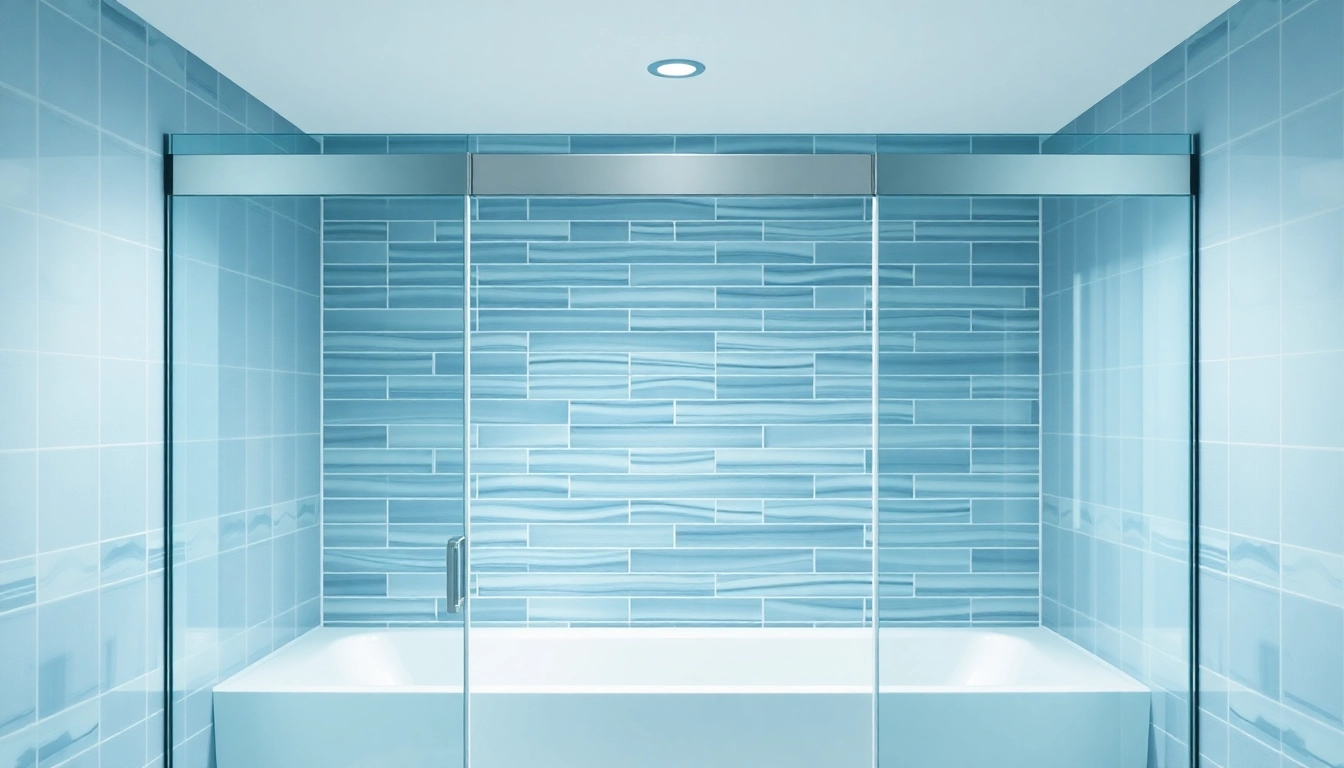
Understanding Shower Screen Sliding Door Options
Shower screen sliding doors have become increasingly popular in modern bathrooms due to their sleek design and functionality. They provide a space-efficient solution for both large and small bathrooms, allowing for an open and airy feel. If you’re considering a shower screen sliding door for your space, understanding your options is essential. This guide will explore different styles, materials, sizing considerations, and the benefits of these doors. For further exploration of options, you can refer to this shower screen sliding door page.
Different Styles of Shower Screen Sliding Doors
The market offers a plethora of styles when it comes to shower screen sliding doors, each catering to varied aesthetic preferences and needs.
- Framed: These doors have a metal frame that adds strength and support. They are often available in various finishes to complement your bathroom decor.
- Frameless: Frameless shower doors offer a minimalist look. They are designed without metal framing, giving an unobstructed view that helps to make the space feel larger.
- Bi-Fold: Bi-fold shower doors are perfect for smaller spaces as they fold inward when opened, requiring less clearance than traditional designs.
- Quadrant: These curved sliding doors are ideal for corner showers, maximizing space while providing a contemporary appearance.
- Steam: Designed to keep steam contained within the shower area, these sliding doors are specially treated to handle high humidity levels.
Materials Used and Their Benefits
The materials used in shower screen sliding doors significantly influence their durability, maintenance, and overall appeal. Here are some common materials:
- Tempered Glass: Known for its strength and safety features, tempered glass is less likely to shatter and is easy to clean, making it an ideal choice for shower doors.
- Polycarbonate: This material is lightweight, highly durable, and resistant to impact, making it perfect for families with children.
- Aluminum: Often used for frames, aluminum is resistant to rust and corrosion, providing a long-lasting solution that balances strength and weight.
- Stainless Steel: Frequently used for hardware, stainless steel is both stylish and resilient against rust, enhancing the door's overall longevity.
How to Choose the Right Size
Selecting the right size for your shower screen sliding door is crucial for both functionality and aesthetic appeal. Consider the following factors:
- Shower Opening: Measure the width of your shower opening. Most sliding doors require a minimum of 3 inches of opening for proper operation.
- Height: Determine the height of the walls in your shower area. Standard heights range from 70 to 80 inches but can be customized based on your needs.
- Overlap: Ensure that the doors can overlap slightly when closed to prevent water leakage.
Installation Process for Shower Screen Sliding Doors
Installing a shower screen sliding door can enhance your bathroom's functionality while providing a modern look. Understanding the installation process can save you time and potential complications.
Preparing Your Space
Before installation, adequate preparation of your shower space is key to ensuring a smooth process:
- Clear the Area: Remove any old shower doors, curtains, or fixtures to provide a clean slate.
- Check the Walls: Ensure the shower wall is level and free from damage. Any irregularities can affect the door's fit.
- Gather Tools: Common tools required include a level, measuring tape, drill, silicone sealant, and screws.
Step-by-Step Installation Guide
Follow these steps for a successful installation of your shower screen sliding door:
- Measure and Cut: Measure the height and width of the opening. Cut the tracks and profiles based on the measurements.
- Install the Bottom Track: Use a level to ensure the bottom track is even. Secure it with screws.
- Attach the Side Profiles: Secure the side profiles to the wall, ensuring they are level and aligned with the bottom track.
- Hang the Glass Panels: Carefully lift and place the glass panels into the fitted tracks and ensure smooth movement.
- Seal the Edges: Apply silicone sealant to all edges and joints to ensure water tightness.
- Test the Doors: Open and close the doors to check for any misalignment or sticking.
Common Installation Mistakes to Avoid
Even experienced DIYers can encounter pitfalls during installation. Avoid these common mistakes:
- Incorrect Measurements: Always double-check your measurements before cutting materials.
- Insufficient Sealing: Failing to properly seal edges can lead to water leaks.
- Ignoring Leveling: Not leveling tracks properly can cause operational issues with the sliding mechanisms.
Maintenance Tips for Shower Screen Sliding Doors
Proper maintenance will prolong the life and beauty of your shower screen sliding doors. Consider the following tips:
Regular Cleaning Techniques
Routine cleaning is essential in preventing soap scum and hard water stains:
- Use Gentle Cleaners: Opt for pH-balanced cleaners instead of harsh chemicals to avoid damaging the glass and frame.
- Soft Cloths: Always use soft microfiber cloths or sponges to gently wipe down surfaces.
- Spot Treatments: For stubborn stains, a paste of baking soda and water can effectively lift grime without scratching the surface.
Dealing with Hard Water Stains
Hard water stains can be persistent but can be treated effectively with:
- Vinegar Solution: Mix equal parts of white vinegar and water to dissolve mineral deposits, then rinse thoroughly.
- Commercial Cleaners: Use products specifically designed to target hard water stains, following the manufacturer's instructions.
Keeping the Track and Rollers in Good Condition
The functionality of your shower screen sliding door relies heavily on the track and rollers:
- Regular Lubrication: Apply silicone lubricant to the rollers every few months to ensure smooth operation.
- Debris Removal: Frequently check and clean out the track for any dirt or hair that can hinder movement.
Benefits of Shower Screen Sliding Doors
Shower screen sliding doors offer a variety of benefits that can elevate your bathroom experience.
Space-Saving Solutions for Small Bathrooms
One of the most significant advantages of shower screen sliding doors is their ability to save space. Unlike swinging doors, which require clearance to open, sliding doors glide along a track, making them perfect for tight spaces.
Enhancing Aesthetic Appeal
Shower screen sliding doors can transform the look of your bathroom. Their modern design adds elegance and sophistication, contributing to a more polished overall appearance, regardless of the bathroom’s style.
Improving Water Control and Reducing Mold
These doors effectively contain water, minimizing spills onto the bathroom floor. This not only enhances safety but also helps to reduce mold and mildew growth, contributing to a healthier bathroom environment.
FAQs about Shower Screen Sliding Doors
Are shower screen sliding doors suitable for all bathroom sizes?
Yes, they can be customized to fit any bathroom size, making them versatile for both small and large spaces.
How do I clean my shower screen sliding door?
Use a pH-balanced cleaner, soft cloths, and for tough stains, a vinegar solution can be effective.
Can I install a shower screen sliding door myself?
Yes, with the right tools and proper measurements, DIY installation is feasible for many homeowners.
What materials are best for durability?
Tempered glass and stainless steel are excellent choices due to their strength and resistance to wear.
Do shower screen sliding doors require special maintenance?
Regular cleaning and occasional lubrication of the rollers are key for ensuring longevity and functionality.