Understanding Your Fencing Needs
Fences serve various purposes, from enhancing security to providing privacy and aesthetic appeal. When considering your options, We fix fences and build fences offers insights that can guide you through the selection process. Understanding your specific fencing needs is crucial for making informed decisions about whether to repair an existing fence or invest in a new installation.
Why Choose to Fix or Build Fences?
Choosing to fix or build a fence depends on several factors, such as the current condition of your existing fence, your budget, and the intended purpose of the fence. Repairing a fence can be more cost-effective than building a new one, especially if the damage is minor. However, if your fence is outdated or extensively damaged, investing in a new fence might provide better long-term value and more options for customization.
Common Types of Fences and Their Benefits
- Wood Fences: Known for their natural appearance, wood fences are versatile and can fit any yard style. They can be painted or stained to match your home's exterior.
- Vinyl Fences: Durable and maintenance-free, vinyl fences come in various styles and colors. They're resistant to rot and pests, making them a popular choice.
- Chain Link Fences: Economical and functional, chain link fences provide security without obstructing visibility. They are commonly used for commercial properties.
- Composite Fences: Made from a blend of materials, composite fences mimic the appearance of wood while offering enhanced durability and resistance to weather.
Evaluating Your Property for Fencing Options
Before deciding on a fencing solution, evaluate your property’s layout and zoning regulations. Consider the purpose of the fence—is it for privacy, security, or simply aesthetic appeal? Additionally, assess the terrain, as slopes and inclines may require different installation techniques.
Essential Tools and Materials
Top Tools for Fence Repair and Construction
Having the right tools is essential for a successful fence project. Common tools include:
- Post Hole Digger: Ideal for digging holes for fence posts.
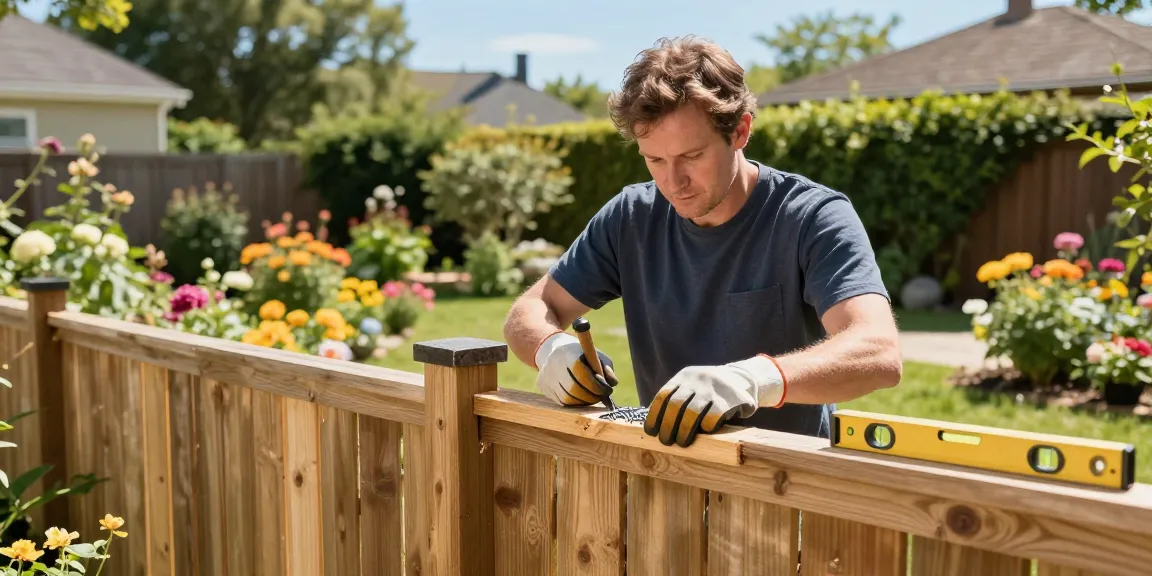
- Level: To ensure posts are straight and aligned properly.
- Power Drill: For making holes and securing fasteners efficiently.
- Saw: Useful for cutting wood or composite materials.
- Measuring Tape: Necessary for precise measurements to avoid material waste.
Choosing the Right Materials for Your Fence
The choice of materials can greatly influence the durability and maintenance of your fence. Consider environmental factors such as weather conditions and soil type. For example, wood fences may require more maintenance in humid climates, while vinyl fences can withstand varied weather without fading or warping.
Safety Equipment for Fence Projects
Safety should be your top priority. Always wear protective gear, including gloves, safety glasses, and steel-toed boots. Keeping a first aid kit accessible is also advisable in case of accidents.
Step-by-Step Fence Repair Process
Identifying Common Fence Problems
Before initiating repairs, identify the issues affecting your fence. Common problems can include rot, rust, loose boards, or damaged posts. Conduct a thorough inspection to determine the extent of the damage and what repairs may be needed.
Preparing for Repairs: What You Need to Know
Preparation is key to an effective repair process. Gather all materials and tools in advance, and clear the area around the fence to ensure easy access during repairs. If you’re working on major repairs, consider contacting local regulations to check if permits are required.
Executing Effective Repair Techniques
Once you’ve identified the problems and prepared your workspace, execute the repairs based on the issues found. Replace any broken boards, tighten loose fittings, and treat affected areas to prevent future deterioration.
Building a New Fence: A Comprehensive Guide
Planning Your New Fence Installation
A solid plan is vital for a successful new fence installation. Start by determining the purpose of the fence and the desired materials. Create a layout to visualize where each section will go, taking note of property lines and any local building codes.
Key Techniques for a Strong Fence Build
For a stable and long-lasting fence, follow key construction techniques:
- Proper Post Depth: Ensure fence posts are buried to a suitable depth based on the fence height.
- Concrete Footings: Use concrete to secure posts in place, especially in loose or sandy soil.
- Spacing: Space your panels evenly to avoid gaps and ensure structural integrity.
Finishing Touches: Staining and Painting
After the installation, consider staining or painting your fence for aesthetic appeal and added protection against the elements. Choosing high-quality sealants will prolong the life of the wood or composite materials used.
Future Trends in Fencing Solutions
Innovative Materials & Technologies for 2026
The fencing industry is evolving, with new materials and technologies that enhance durability and performance. Expect innovations such as self-cleaning surfaces, solar-powered lighting integrated into fences, and advanced materials that offer better resistance to environmental factors.
Sustainable Practices in Fence Construction
Sustainability is becoming increasingly important in fencing. Trends include using recycled materials and eco-friendly treatments to enhance wood durability without harsh chemicals. Homeowners are encouraged to consider these options to minimize their environmental footprint.
Smart Fencing: Integrating Technology
Smart technology is making its way into fencing solutions. Features like automated gates, integrated surveillance cameras, and smart sensors can enhance security while providing ease of access and monitoring for homeowners.
What are the costs associated with building or fixing a fence?
Costs can vary significantly based on material choice, labor, and project size. Here’s a rough breakdown:
- Minor repairs: $150 to $300
- Average fence repair: $500 to $900
- Major repairs: $1,000 to $1,500+
How long does it typically take to fix or build a fence?
The duration of the project largely depends on the complexity and scope of the work. A straightforward repair might take a day or two, while a new fence installation could take several days, especially if it includes multiple gates or intricate designs.
What maintenance does a fence require?
Routine maintenance includes inspecting for damages, cleaning, and applying protective coatings. Regular upkeep helps to extend the lifespan of your fence significantly.
Can I fix my fence myself or should I hire a professional?
While minor repairs can be a DIY task, significant damage or complex installations may require professional expertise. Hiring a reliable service can save time, ensuring the work is done correctly and efficiently.
What are the best materials for durability?
For durability, vinyl and composite materials often outperform wood in harsh weather conditions. Metal fencing also offers strong durability and requires minimal maintenance compared to wood options.