Understanding Software Configuratore Pergole
As outdoor living spaces gain increasing popularity, the demand for customized pergolas is on the rise. A software configuratore pergole provides homeowners and designers with the tools to design and envision their perfect pergola. In this article, we will delve into the intricacies of software configurators designed specifically for pergolas, highlighting their features, benefits, and how they can revolutionize outdoor design.
What is a Software Configuratore Pergole?
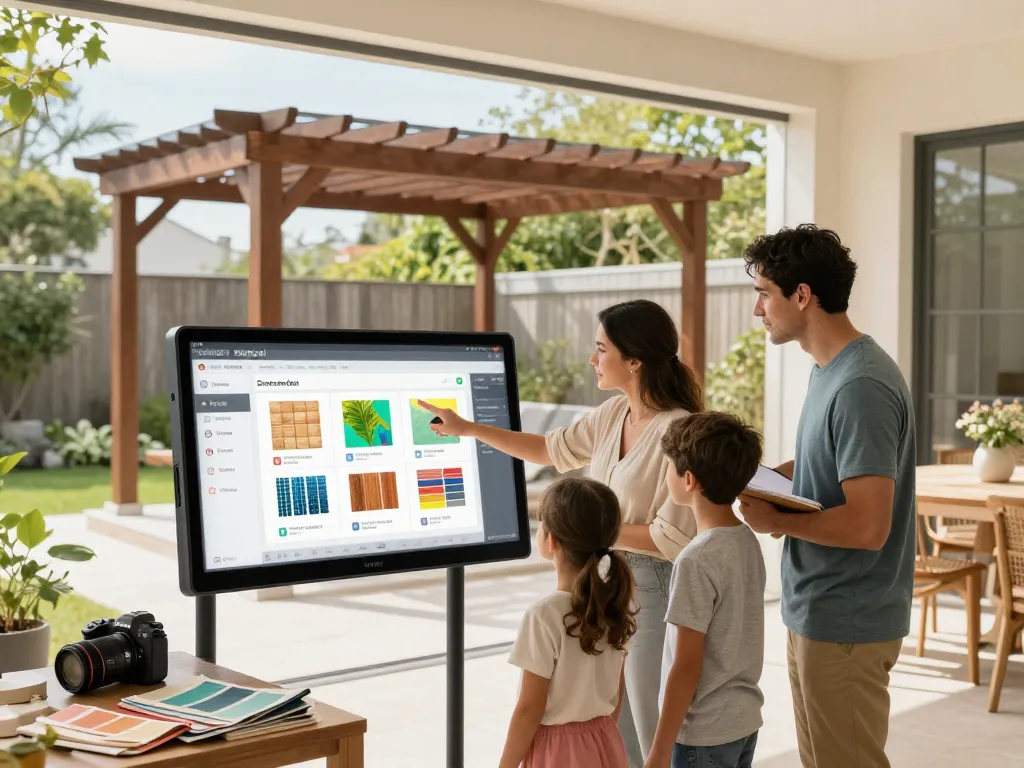
A software configuratore pergole is an advanced design tool that allows users to create custom pergola designs tailored to their specific needs and aesthetic preferences. These configurators often feature 3D modeling capabilities, enabling users to visualize their projects in a virtual environment before any physical construction begins. By adjusting dimensions, materials, and various design elements, users can explore endless possibilities, ensuring their pergola fits perfectly within their outdoor space.
Key Features and Benefits
- User-Friendly Interface: Most configurators are designed with simplicity in mind, allowing users of all skill levels to navigate the software with ease.
- 3D Visualization: Users can see a realistic representation of their pergola, helping them make informed decisions about design and functionality.
- Customizable Options: From materials and colors to sizes and additional features like lighting and retractable roofs, users can personalize every aspect of their pergola.
- Accurate Pricing Estimates: Many configurators provide real-time pricing based on the selected features, helping users budget their projects effectively.
- Integration with Suppliers: Some configurators link directly to suppliers, streamlining the purchasing process once the design is finalized.
How It Works: A Step-by-Step Overview
- Select Your Base Model: Start by choosing a base design or template from the configurator.
- Customize Dimensions: Input specific measurements to tailor the pergola’s size to your space.
- Choose Materials and Finishes: Select from a variety of materials (wood, aluminum, etc.) and finishes to match your home and landscape.
- Add Features: Incorporate additional elements such as lighting, screens, or retractable roofs to enhance functionality.
- Review and Adjust: Use the 3D visualization tool to see your design in real-time, making adjustments as necessary.
- Generate a Quote: Once satisfied with the design, retrieve an accurate price estimate and proceed to connect with suppliers.
Choosing the Right Software for Your Needs
Comparing Popular Configurators on the Market
With several configurators available, it’s essential to compare their features and capabilities. Some notable options include:
- SET-APP by Sprech: Offers an intuitive interface for designing various outdoor structures, including pergolas.
- BT Group's 3D Configurator: Known for its user-friendliness and extensive customization options.
- Simpson Strong-Tie's Pergola Planner: Allows users to design in both 2D and 3D, providing flexibility in design approaches.
- Brustor's 3D Simulator: Provides a realistic simulation experience to help users visualize their pergola before purchasing.
User Requirements and Preferences
Your choice of configurator should align with your specific needs. Consider factors such as the complexity of your design, the level of detail required, and whether you prefer a simple, straightforward tool or one with advanced features. Accessibility and customer support are also crucial aspects to consider, especially for less tech-savvy users.
Legal and Compliance Considerations
When designing a pergola, it's vital to be aware of local building codes and regulations. Most configurators will offer guidance on compliance, but it remains the user's responsibility to ensure that their designs adhere to local legislation. Important aspects such as zoning laws, structural integrity, and safety standards must be factored into your planning process.
Best Practices for Designing Your Pergola
Incorporating Design Trends of 2026
Staying ahead of design trends is essential for creating a pergola that stands out. In 2026, expect to see:
- Sustainable Materials: Eco-friendly options such as reclaimed wood and recycled aluminum will dominate the market.
- Smart Features: Integration of technology, allowing for automated adjustments based on weather conditions and user preferences.
- Biophilic Design Elements: Incorporating natural elements within the design to enhance the connection with nature.
Material Selection and Sustainability Options
Choosing the right materials is critical for both aesthetics and durability. Common options include:
- Wood: Offers a natural look but requires regular maintenance.
- Aluminum: Lightweight and resistant to rust, ideal for a modern aesthetic.
- Composite Materials: Provide the appearance of wood with lower maintenance, making them a popular choice.
Moreover, opting for sustainable materials not only benefits the environment but also appeals to eco-conscious consumers.
Customizing for Climate and Location
Your pergola’s design should reflect the specific climatic conditions of your location. For instance, regions with heavy snowfall require sturdier structures, while areas with intense sun exposure may benefit from adjustable features like louvers or retractable canopies. Properly considering these factors will ensure that your pergola serves its purpose effectively throughout the year.
Real-World Applications and Case Studies
Successful Projects Using Software Configuratore Pergole
Numerous companies and homeowners have successfully utilized software configuratori to create stunning, functional pergolas. For example, a recent project involved a family designing a multi-functional outdoor space using BT Group’s configurator. The result was a beautiful wood pergola equipped with retractable shades and integrated lighting, allowing the family to enjoy their outdoor area day and night.
Lessons Learned from Industry Leaders
Industry experts emphasize the importance of thorough planning and visualization when designing a pergola. This includes understanding the space, considering seasonal changes, and maintaining open communication with suppliers to ensure that the project runs smoothly from conception to completion.
Common Challenges and Solutions
While using a software configuratore, users may encounter challenges such as technical difficulties or difficulties in aligning their vision with practical implementation. Solutions include:
- Training and Tutorials: Many software providers offer training resources to help users maximize the software's capabilities.
- Consultation Services: Engaging with design professionals can bridge the gap between conceptualization and execution.
- Feedback Mechanisms: Implementing feedback loops during the design phase can help catch issues early on.
Future Trends in Pergola Design Technology
Emerging Innovations and Software Developments
The future of pergola design is bright, with innovations such as augmented reality (AR) and virtual reality (VR) set to enhance the configurator experience. These technologies will allow users to immerse themselves in their designs, offering a more comprehensive understanding of how the structure will integrate into their space.
Predictions for the Next Five Years
Based on current trends, it is anticipated that software configurators will become even more sophisticated, incorporating AI to offer personalized design suggestions and automation in purchasing options. Additionally, advancements in material science may lead to even more durable and aesthetically pleasing materials making their way into the market.
How to Stay Ahead of the Curve
To stay relevant in the pergola design industry, professionals should continually educate themselves about evolving technologies and trends. This can involve attending industry events, participating in forums, and subscribing to design publications. Keeping abreast of consumer preferences will also be critical to tailoring offerings and ensuring customer satisfaction.
What are the benefits of using a software configuratore pergole?
The advantages are numerous, including clear visualization of designs, customization options that meet specific needs, and streamlined communication with suppliers. Users can save time and resources and minimize errors in the design process.
How does pergola customization impact outdoor living?
Customizing pergolas enhances the functionality and aesthetic appeal of outdoor spaces, encouraging more outdoor living and entertainment. A well-designed pergola provides shade, protection from the elements, and a cohesive look that ties together landscaping and architecture.
Are there free options for software configuratore pergole?
Yes, several free configurators are available; however, they may offer limited features compared to their premium counterparts. Users should evaluate their needs and consider investing in more comprehensive software if required for intricate designs.
What materials are best in pergola design?
Again, the choice of materials depends on personal preferences and environmental conditions. Wood is classic but requires maintenance, while aluminum and composite materials offer durability with less upkeep. The best choice balances aesthetics, functionality, and longevity.
How do I troubleshoot common configurator issues?
For technical issues, checking the software’s help section, seeking support from customer service, or consulting online forums can be effective solutions. Keeping software updated and ensuring a compatible device can also prevent many common issues.